Skin Substitutes
Leading the way in regenerative wound care. Explore the science behind advanced skin substitutes.
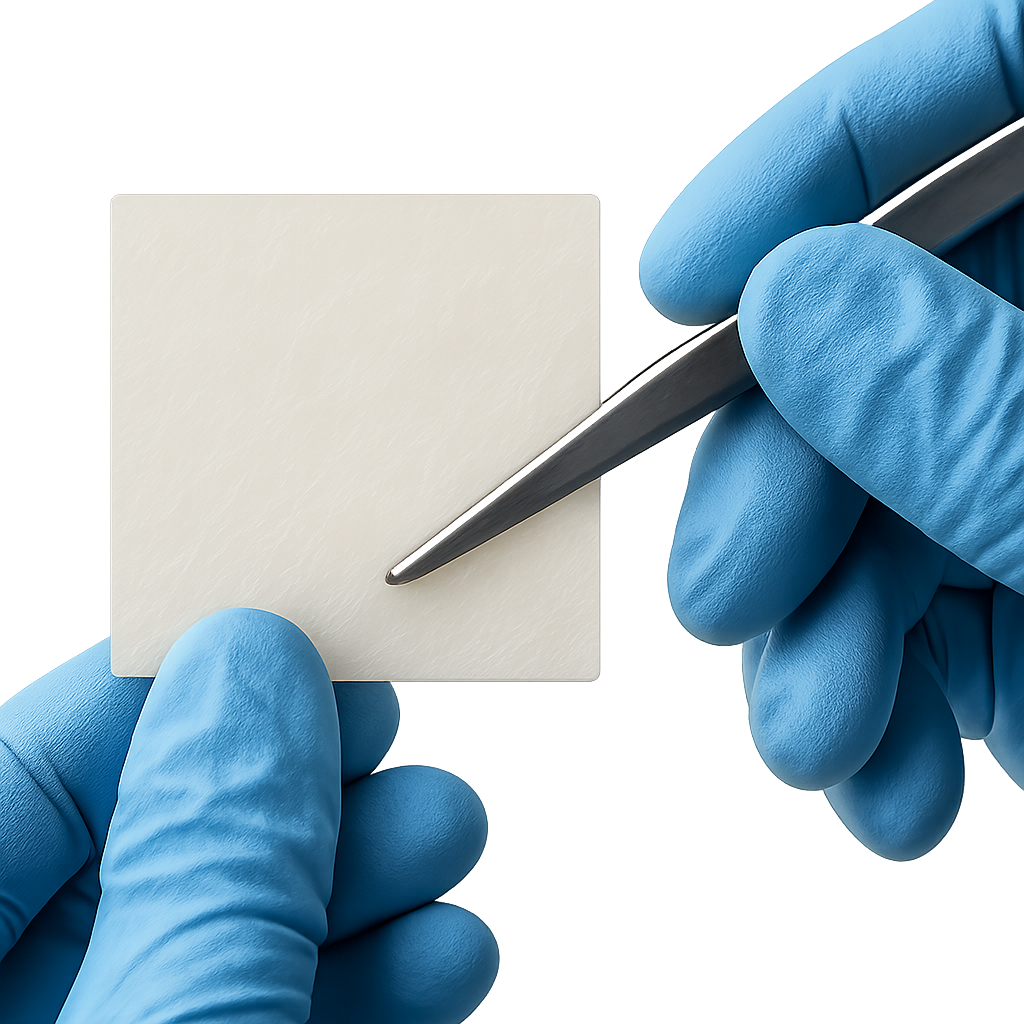
Skin substitutes are biologically active or engineered grafts used in advanced wound care to replace or support damaged tissue. They provide a myriad of different benefits for patients struggling with stubborn wounds:
Provides a protective barrier
Supports the body’s natural healing process
Maintains a moist wound environment
Provides a scaffold/extracellular matrix for cellular ingrowth
Used in management of acute and chronic wounds (burns, ulcers, surgical wounds, trauma)
May reduce risk of infection by covering exposed tissue (if part of the cleared labeling)

Featured Product
Our Most Commonly Ordered Skin Substitute
AmchoPlast
Manufactured by Cellution Biologics
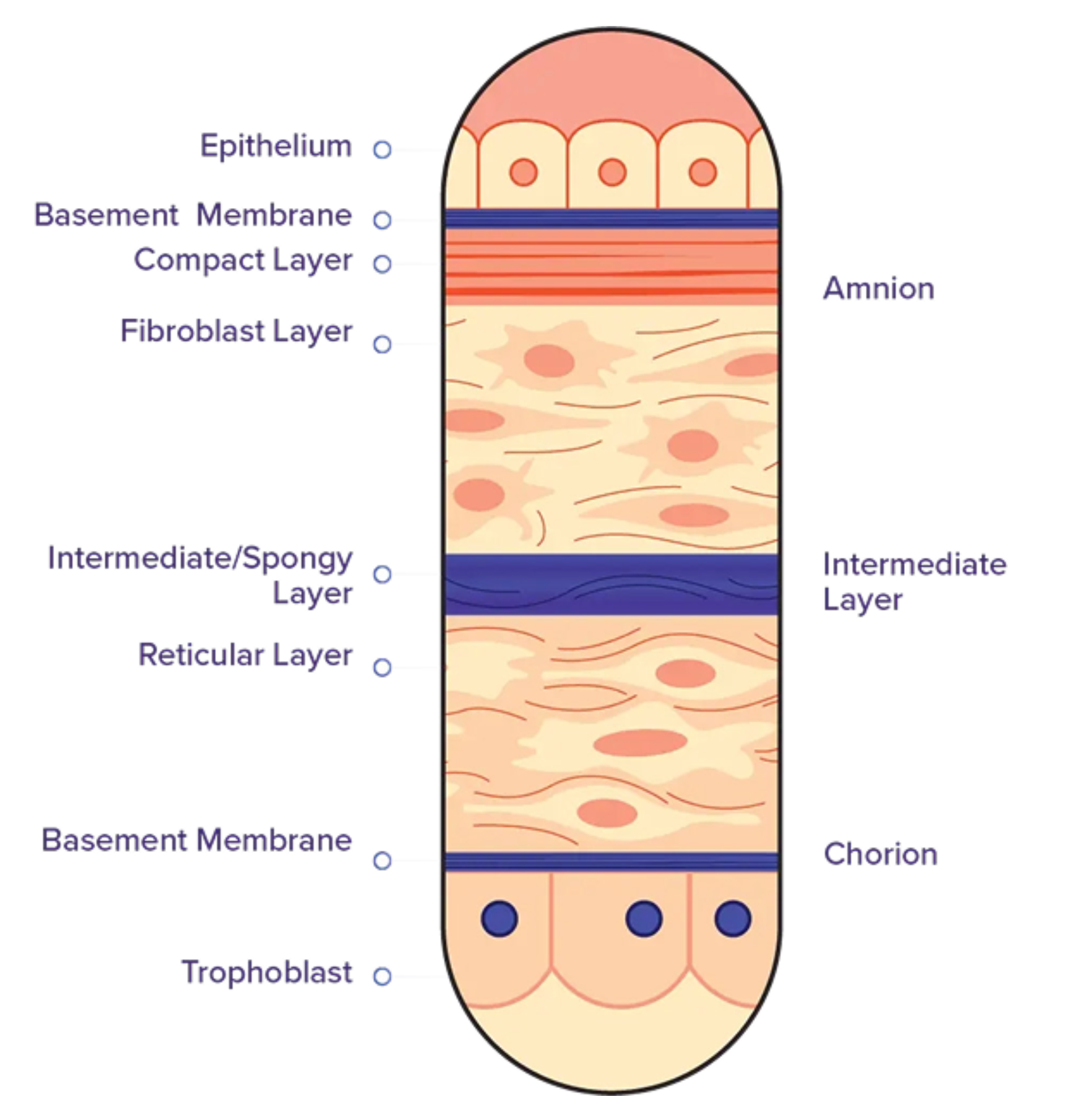
The unique composition of AmchoPlast, which includes a basement membrane and stromal matrix collagen, supports a variety of clinical applications. It provides an optimal scaffold for tissue regeneration and repair, promoting wound healing and cellular integration. Its biocompatible properties make it ideal for use in managing acute and chronic wounds, surgical procedures, and other tissue repair scenarios.
AmchoPlast represents a significant advancement in regenerative medicine, offering a reliable and safe solution for clinicians seeking effective tools to enhance patient outcomes.